Homebuyers
If the home you’re purchasing has stucco or EIFS cladding, do not rely on a standard home inspection alone. Make a dedicated stucco inspection part of your due diligence, and for EIFS homes especially, make it a Level II.

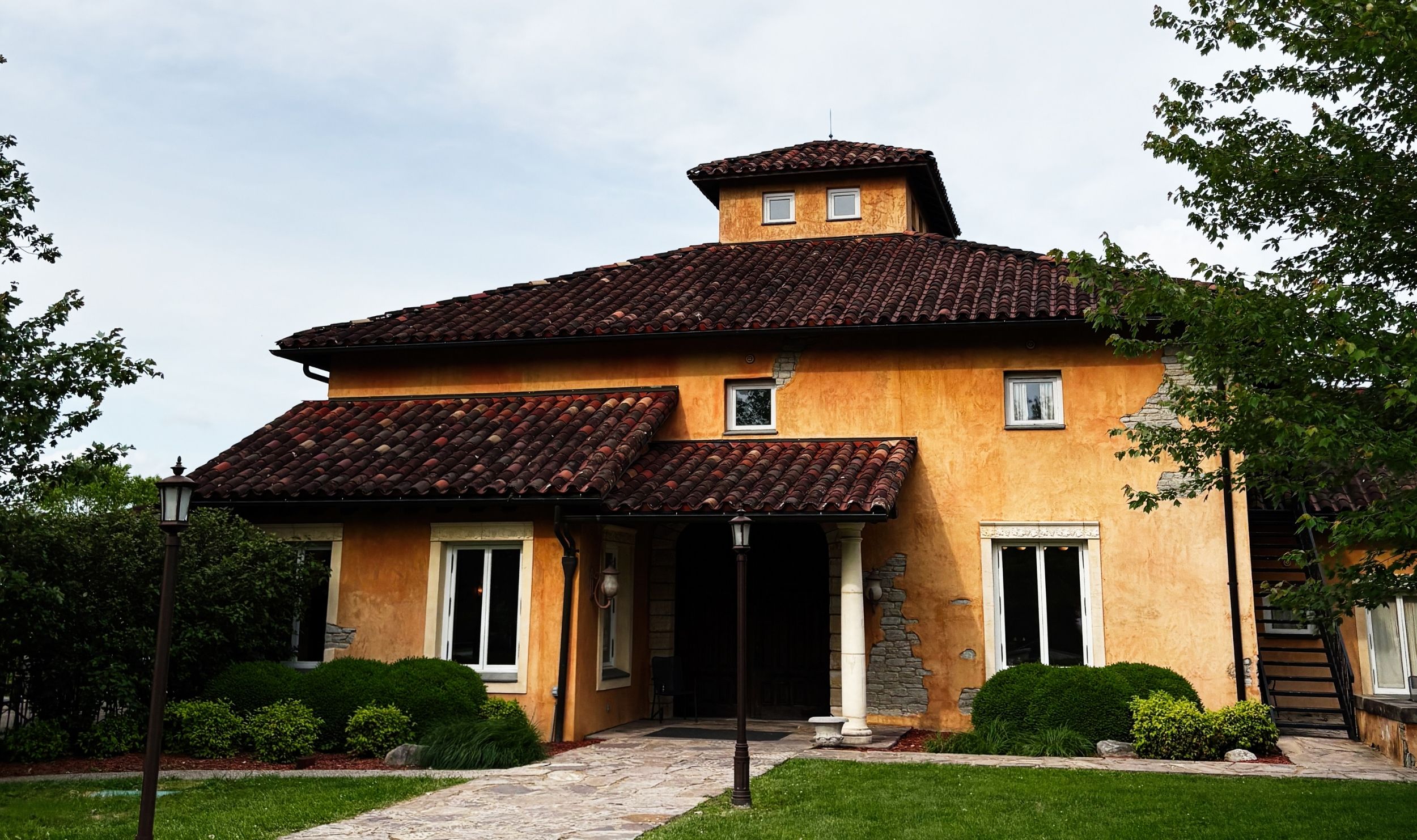
Stucco is one of the most popular exterior claddings along the Colorado Front Range, and for good reason. It handles our intense sun well, it resists fire, and it gives a home that clean southwestern look that buyers love. When it’s installed correctly, stucco can protect a home for decades.
The trouble is that a significant percentage of stucco is not installed correctly. And unlike a failing roof or a cracked driveway, stucco failure happens where you can’t see it. Water finds its way in through poorly sealed windows, missing kickout flashing, failed sealant joints, and improper terminations. Once it’s behind the cladding, it has nowhere to go. It soaks the sheathing, rots the framing, and feeds mold growth inside the wall cavity, sometimes for years, while the exterior looks perfectly fine.
By the time stains, cracks, or soft spots appear on the surface, the damage behind the wall is often extensive. I have seen repair estimates on stucco homes climb well into five and six figures, and in the worst cases the structural damage rivals the value of the cladding itself. This is why lenders, insurers, and experienced buyers treat stucco and EIFS homes differently, and why a standard home inspection alone is not enough for these properties.
Colorado has no licensing or certification requirements for home inspectors, and it has none for stucco inspectors either. Anyone with a moisture meter and a business card can call themselves a stucco inspector in this state. That is exactly why I pursued certification through the Exterior Design Institute (EDI), the industry’s leading certification body for stucco and EIFS inspection.
EDI Certified Inspectors are trained on the installation details of every major stucco system, including traditional hardcoat, one coat systems, and all major brands of EIFS. We follow an established inspection protocol and code of ethics, and we maintain our certification through ongoing annual training. That training is what allows me to look at a stucco wall and recognize not just the symptom, but the installation flaw that caused it.
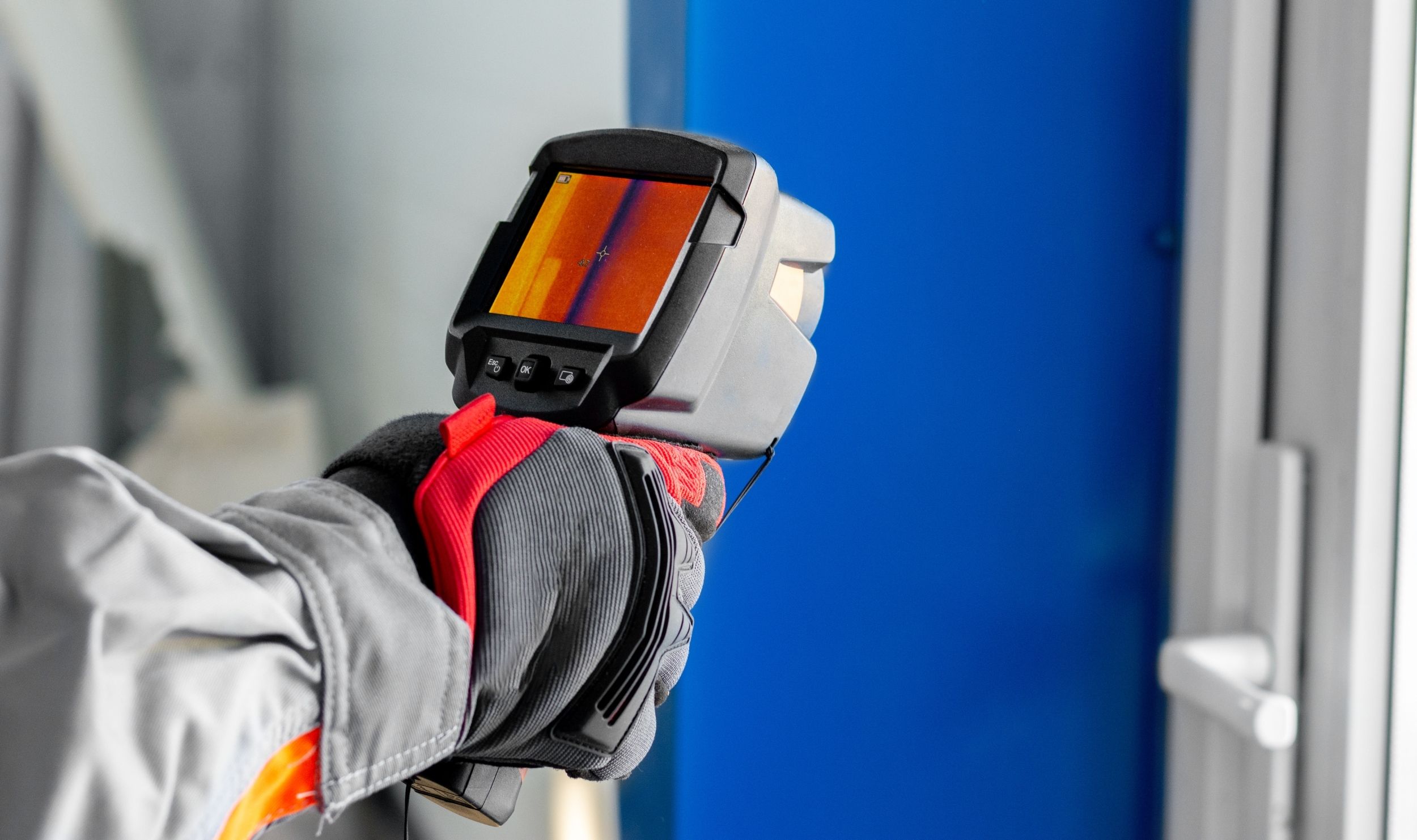
My EDI certification also works alongside my other credentials. As a Certified Level I Infrared Thermographer, I use thermal imaging to help identify suspect moisture areas that the naked eye would miss. As an IAC2 Certified Mold Inspector, I understand what trapped moisture does inside a wall cavity and can test for mold when the evidence points that way. Very few inspectors in Northern Colorado bring this combination of training to a stucco evaluation.
Before you can evaluate a stucco home, you have to know what kind of stucco you’re dealing with. Many homeowners, and frankly many real estate agents, cannot tell the difference. The distinction matters enormously.
Traditional hardcoat stucco is a cement-based cladding applied in multiple coats over a lath and a water-resistive barrier. It’s hard to the touch and sounds solid when tapped. Hardcoat is durable, but it is not waterproof, and it depends entirely on the barrier and flashing details behind it to manage the water that gets through.
EIFS (Exterior Insulation and Finish System), often called synthetic stucco, is a multi-layer system built over foam insulation board with a reinforced base coat and an acrylic finish coat. It feels slightly soft and hollow when tapped. Older barrier-type EIFS has no drainage plane at all, which means any water that gets past the surface stays in the wall. Barrier EIFS homes have one of the worst moisture-damage track records of any residential cladding ever installed, and they deserve particular scrutiny. Newer drainage EIFS is a significant improvement, but only when every flashing, sealant joint, and termination detail is executed correctly.
Part of every inspection I perform is identifying exactly which system is on your home, because the risks, the inspection approach, and the maintenance requirements are different for each.
A Level I inspection is a detailed, non-invasive visual evaluation of the entire cladding system. This goes far beyond the exterior walkaround included in a standard home inspection. I examine:
You receive a detailed, easy-to-read report with high-quality photos documenting every deficiency, the same interactive report format my clients rely on for full home inspections. A Level I inspection is an excellent screening tool for buyers, and for homeowners it establishes a maintenance baseline that can prevent small sealant failures from becoming structural repairs.
A visual inspection can identify the conditions that let water in. It cannot tell you how much water is already in the wall. That requires a Level II inspection.
A Level II inspection includes everything in the Level I evaluation, plus direct moisture testing of the wall assembly. Using calibrated probe-type moisture meters, I take readings through small test holes at the locations most likely to conceal moisture: below window corners, at kickout flashing locations, at deck attachments, and anywhere the visual inspection or thermal imaging raised a flag. Each test location is documented with its moisture reading, and every probe hole is properly sealed with color-matched sealant when testing is complete.
Elevated moisture readings tell us water is getting in. Probe readings can also indicate the condition of the sheathing itself, revealing wood that has softened or deteriorated behind an intact-looking surface. This is the information that actually matters when you’re deciding whether to buy a stucco home, how to negotiate, or how to scope a repair. It is also the level of inspection that many insurers and relocation companies require before they will cover an EIFS-clad home.
If you’re purchasing a stucco or EIFS home anywhere in Boulder County or Northern Colorado, a Level II inspection is the single best investment you can make in understanding what you’re buying.
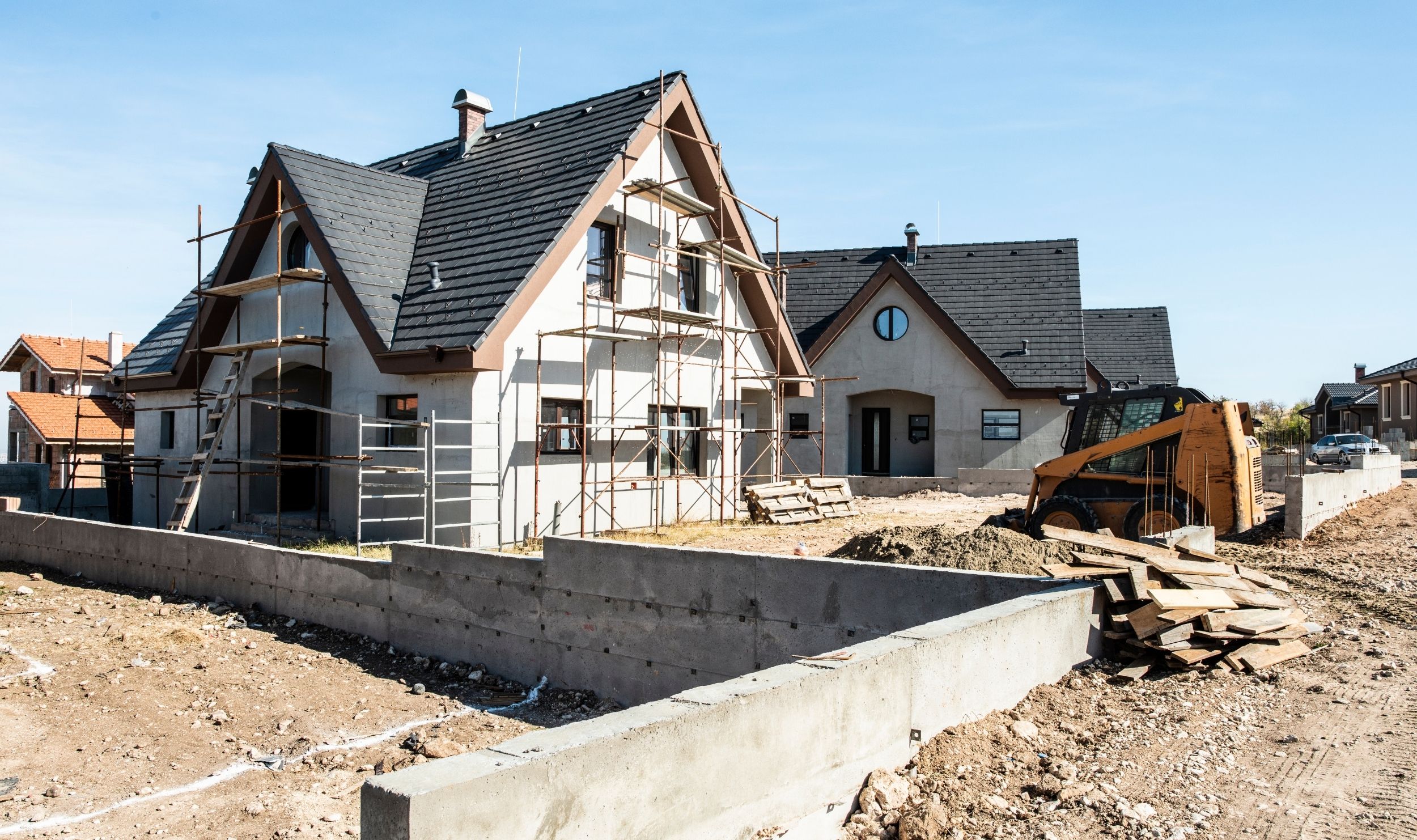
If you’re building a new home with stucco, or recladding an existing one, the best time to catch installation defects is while the wall is still open. Once the finish coat goes on, every shortcut underneath it is hidden, and most stucco failures trace back to exactly those shortcuts.
I provide independent phased inspections keyed to the critical stages of installation:
You receive a documented report at each phase, giving you real leverage with your builder while corrections are still simple. Remember, building to code is a bare minimum, and municipal inspectors rarely evaluate cladding details at this level. Some EIFS manufacturers require third-party inspections as a condition of their warranty, and a documented phased inspection file is a genuine asset when it’s time to sell.
If the home you’re purchasing has stucco or EIFS cladding, do not rely on a standard home inspection alone. Make a dedicated stucco inspection part of your due diligence, and for EIFS homes especially, make it a Level II.
A pre-listing stucco inspection lets you address deficiencies on your own terms, price the home with confidence, and take the biggest question mark off the table before a buyer’s inspector finds it first.
Stucco is not a maintenance-free cladding, no matter what the builder said. Sealant joints have a service life, hail happens here every year, and small failures are cheap to fix only if you find them early. Periodic inspections protect the largest investment most families own.
Independent phased inspections keep your installer honest and your walls dry, and they document quality that a certificate of occupancy never will.
I provide stucco and EIFS inspections throughout Boulder County and Northern Colorado, including Boulder, Longmont, Louisville, Lafayette, Erie, Niwot, Lyons, Broomfield, Berthoud, Loveland, Fort Collins, Frederick, Firestone, and the surrounding Front Range communities.
Our climate is genuinely hard on stucco. Intense UV breaks down sealants faster here than in most of the country, freeze and thaw cycles work water into every crack, spring hail batters finish coats, and wind-driven rain tests every flashing detail. A stucco system that would survive neglect in a milder climate will not survive it here. Local experience matters, and after more than 18 years of hands-on industry experience along the Front Range, I know exactly where Colorado stucco fails.
Thank you for choosing Total Home Inspection Services! Call (720) 442-0785 to schedule a stucco inspection, or schedule completely online below. I’ll reach out within 24 hours to confirm your scheduling request and help you determine whether a Level I, Level II, or phased inspection is the right fit for your property.
Get A Total Home Inspection Today
Total Home Inspection Services LLC provides InterNACHI Certified residential home inspections, annual maintenance inspections, IAC2 Certified mold testing, EDI Certified stucco and EIFS inspections, and radon testing across Northern Colorado, including Boulder, Larimer, Weld, and Broomfield counties: Longmont, Boulder, Loveland, Fort Collins, Louisville, Lafayette, Superior, Erie, Broomfield, Niwot, Lyons, Berthoud, Frederick, Firestone, Greeley, Denver, and the surrounding Front Range communities.