Full-Property Thermal Infrared Imaging

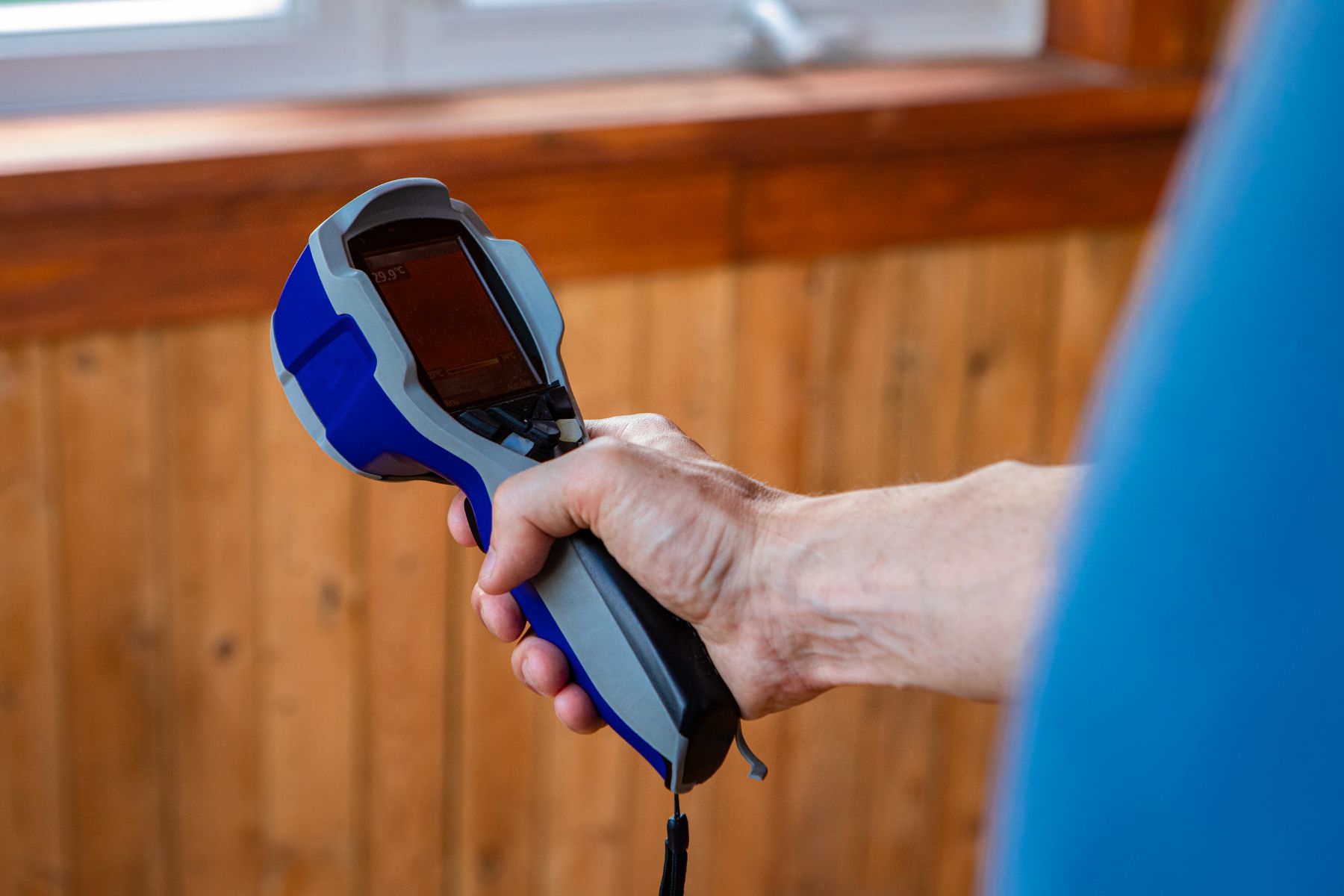
Every home has two stories: the one you can see, and the one behind the drywall, above the ceilings, and inside the walls. Thermal infrared imaging reads the second story. An infrared camera detects minute temperature differences across surfaces, and in trained hands, those patterns reveal moisture from hidden leaks, missing insulation, conditioned air escaping through invisible gaps, or electrical connections quietly overheating toward failure.

The phrase “in trained hands” matters. A thermal camera does not see through walls, and it does not interpret itself; an untrained operator with a camera produces colorful pictures and confident misdiagnoses. I am a Level 1 Certified Infrared Thermographer, trained in how materials hold and release heat, the scanning conditions a valid survey requires, and the discipline of confirming thermal findings with moisture metering and direct evaluation before drawing conclusions. That training is the difference between imaging and guessing.

Limited Scope vs. Full-Property Scanning

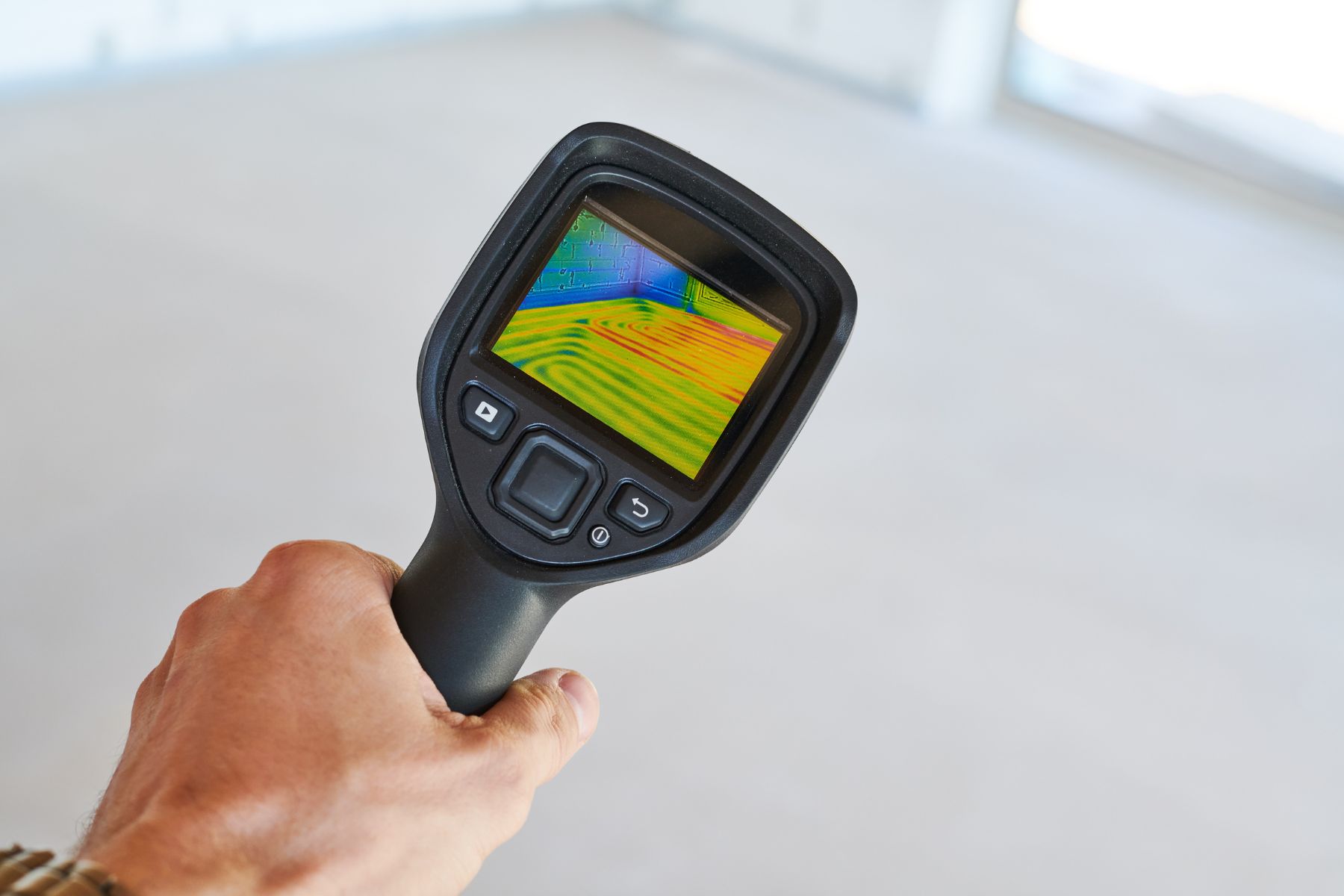
Every home inspection I perform already includes limited-scope thermal imaging at no additional charge; it is part of my inspection process. A full-property scan is a distinct undertaking: a methodical survey of the entire building envelope and its systems, conducted under proper temperature-differential conditions and documented in a dedicated report.

What a Full-Property Scan Reveals

  • Moisture intrusion: roof leaks, plumbing leaks, ice dam damage, and wet insulation, often long before staining appears on a visible surface.
  • Energy loss: missing or settled insulation, thermal bypasses, and air leakage paths that explain high utility bills room by room.
  • Electrical concerns: overheating breakers, connections, and circuits are identified before they become failures or fire hazards.
  • System diagnostics: in-floor radiant heat loops, duct leakage, and flue and chimney heat patterns that indicate how systems are actually performing.

When My Clients Order This Scan

The most common occasions: chasing a leak or odor no contractor has been able to locate, evaluating a home before an energy retrofit or major renovation, documenting conditions after hail or storm damage, verifying new construction insulation before the builder’s warranty expires, and establishing a baseline for a high-value home as part of an annual maintenance program.

I will be honest about conditions: thermal imaging is most revealing when there is a meaningful temperature difference between the inside and the outside, so I schedule full-property scans for times of day and seasons that yield valid results rather than pretty pictures. That candor is part of what you are paying for.

Schedule a full-property thermal scan online today, or call or text (720) 442-0785 to discuss whether your situation calls for one.